The Anatomy of the Term: What is Narkoba?
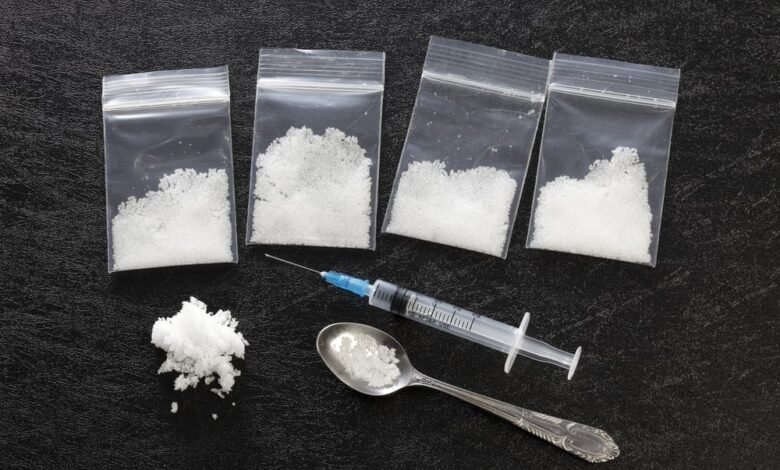
In the Indonesian linguistic landscape, the word narkoba is a powerful and dreaded portmanteau. It stands for Narkotika, Psikotropika, dan Bahan Aditif lainnya (Narcotics, Psychotropics, and other Addictive Substances). While the term is often used as a catch-all for “illegal drugs,” an expert understanding requires us to look closer at the specific pharmacological classifications it covers. Narcotics generally refer to substances that dull the senses and relieve pain, often derived from the opium poppy. Psychotropics are substances that affect the central nervous system and alter brain function, resulting in changes in perception, mood, or consciousness. The “other addictive substances” category covers everything from volatile inhalants to the caffeine and nicotine that permeate our daily lives, though in the context of law enforcement, it usually refers to highly regulated or prohibited industrial chemicals.
To the casual observer, narkoba is a moral issue; to the expert, it is a complex intersection of chemistry, sociology, and neurobiology. In 2026, the landscape of these substances has shifted dramatically. We are no longer just dealing with traditional “street drugs” like heroin or cannabis. The market has been flooded with New Psychoactive Substances (NPS)—synthetic compounds designed to mimic the effects of traditional drugs while often staying one step ahead of legal definitions. These “designer drugs” are often more potent and significantly more unpredictable than their organic predecessors, making the task of healthcare providers and law enforcement infinitely more complex.
Understanding narkoba also means understanding the “Hook.” Addiction is not a failure of willpower; it is a fundamental rewiring of the brain’s reward system. When a person consumes these substances, the brain is flooded with dopamine, the neurotransmitter responsible for pleasure and motivation. Over time, the brain’s natural ability to produce dopamine is diminished, leading to a state where the individual requires the substance just to feel “normal.” This is the physiological trap of narkoba—a cycle of dependency that is as much a biological reality as it is a social tragedy. In 2026, the expert focus has shifted toward treating this as a chronic brain disease rather than a purely criminal endeavor.
The Social Ripple Effect: Why Narkoba Hits Harder Than We Think
When we talk about the impact of narkoba, we often focus on the individual user, but the reality is far more expansive. An expert analysis reveals that drug abuse acts as a “Social Multiplier” for a variety of other societal ills. It is closely linked to a decline in public health, an increase in domestic instability, and a significant drain on the national economy. In 2026, the economic cost of narkoba in Indonesia is measured not just in the billions of rupiah spent on enforcement and rehabilitation, but in the lost productivity of a generation that should be driving the nation’s “Golden 2045” vision.
The “Family Unit” is often the first casualty of the narkoba crisis. The emotional toll on parents, siblings, and children is immeasurable. Dependency often leads to a breakdown in trust, financial ruin, and in many cases, violence. Casually speaking, narkoba doesn’t just “break” the user; it creates a vacuum that sucks in everyone around them. From a sociological perspective, we see that communities with high rates of drug abuse often experience a decline in “Social Capital”—the networks of trust and cooperation that make a neighborhood safe and prosperous. When the youth of a village or a city block are lost to addiction, the future of that entire community is put at risk.
Furthermore, the narkoba trade is inextricably linked to organized crime and corruption. The massive profits generated by the illegal drug market are often used to fund other illicit activities, from human trafficking to illegal arms sales. Expertly speaking, the “Supply Side” of narkoba is a globalized, high-tech industry. Cartels and syndicates now use encrypted messaging apps and cryptocurrency to manage their logistics, making them harder to track than ever before. This “Shadow Economy” undermines the rule of law and creates a parallel power structure that can threaten the stability of the state itself. Fighting narkoba is not just about stopping a person from using a substance; it is about protecting the integrity of our social and political institutions.
The Path to Recovery: Rehabilitation vs. Incarceration
In 2026, the debate over how to handle narkoba offenders has reached a critical turning point. For decades, the global consensus was “War on Drugs”—a heavy-handed approach focused almost exclusively on incarceration. However, the expert consensus has shifted. While the dealers and “kingpins” must face the full weight of the law, the users are increasingly being viewed through