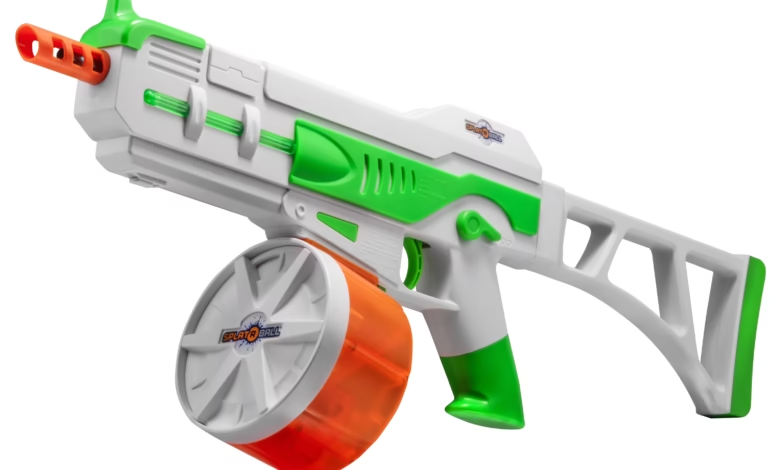
The Evolution of the Backyard Battle
Remember the days of soaking-wet clothes from Super Soakers or the stinging welts of high-velocity airsoft pellets? While those classics will always have a place in our hearts, a new king has claimed the throne of recreational combat: the Splat Gun. Also commonly known as gel blasters or orbeez guns, these devices have bridged the gap between the harmless (but messy) water balloon and the overly intense world of competitive paintball. They offer a high-tech feel without the high-stakes pain, making them the go-to choice for weekend warriors of all ages.
The rise of the splat gun wasn’t an overnight fluke. It was driven by a community of enthusiasts looking for something more sustainable and less painful. Unlike traditional airsoft, which uses plastic BBs that linger in the environment for decades, splat guns utilize Super Absorbent Polymers (SAP). These tiny beads grow into water-filled ammunition that shatters on impact. The result? A satisfying “splat” that evaporates shortly after, leaving no bruise on your skin and no plastic waste in your lawn.
As someone who has spent more hours than I’d like to admit calibrating gearboxes and testing different gel brands, I can tell you that the appeal lies in the accessibility. You don’t need a specialized field or a massive budget to get started. All you need is a charged battery, a bucket of hydrated rounds, and a few friends who don’t mind getting “splatted.” It’s the perfect blend of tactical simulation and pure, unadulterated fun that brings out the kid in everyone, regardless of whether you’re 12 or 42.
The Science of the “Splat”: Understanding Gel Ammo
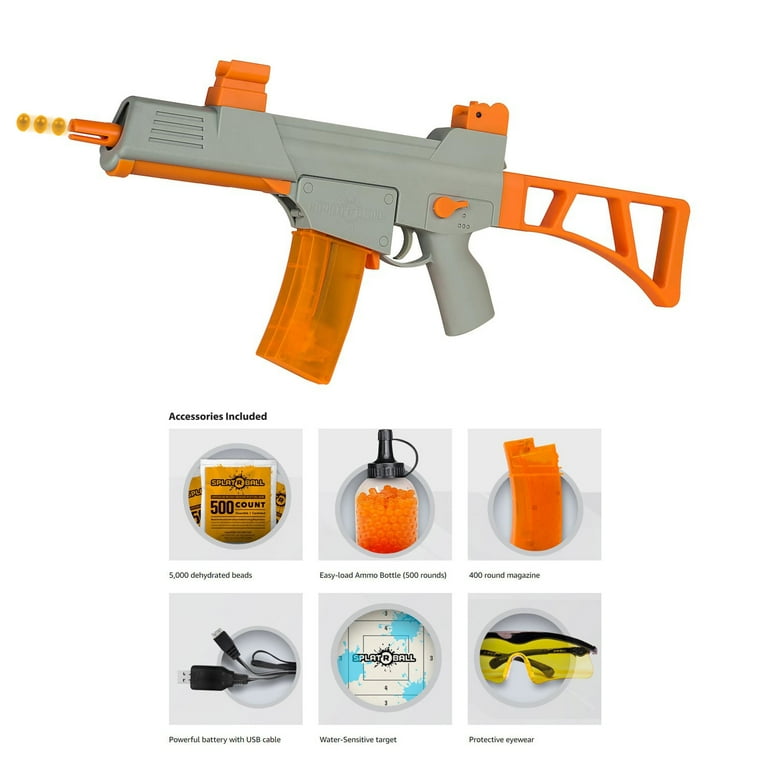
To truly master the splat gun, you have to understand what you’re actually shooting. The ammunition—often called gel lets or water beads—starts as tiny, hard grains about the size of a mustard seed. When soaked in water for about four hours, they expand to roughly 7mm to 8mm in diameter. This transformation is a bit of a science experiment in itself; the polymer chains within the bead soak up water until they are nearly 95% liquid by volume. This is why they don’t hurt nearly as much as a solid plastic BB—they essentially turn back into a splash of water upon hitting a target.
Quality control is the secret sauce here. Not all gel beads are created equal. Enthusiasts often talk about “hardened” gels versus “standard” gels. Hardened versions are designed to withstand the higher pressure of upgraded motors without shattering inside the barrel. If you use cheap, low-quality beads, you’ll likely deal with “fragmentation,” where the beads break apart before they even leave the gun, resulting in a face full of mist instead of a long-range shot. Properly hydrating your ammo is the single most important maintenance step you can take.
Storage is another factor that separates the amateurs from the pros. You can’t just leave hydrated gels in a dry bucket; they will shrink back down to their original size as the water evaporates. Expert players store their ammo in airtight containers, often submerged in a bit of water to maintain their peak diameter. When you’re ready to play, you strain them out and load your hopper. It’s a ritual that ensures your splat gun performs consistently, shot after shot, without the dreaded “dry fire” or jams that plague beginners.
Gear Talk: Choosing Your Primary
When you first start looking at splat guns, the variety can be overwhelming. You have everything from “pistol-style” blasters that look like something out of a sci-fi movie to “rifle-style” platforms that mimic real-world tactical gear. The most common entry point is the top-fed hopper blaster. These are incredibly reliable because gravity helps feed the beads into the firing mechanism. They are generally more affordable and great for younger players who just want to pull the trigger and see results without worrying about complex magazine changes.
However, if you’re looking to step up your game, you’ll eventually move toward magazine-fed (mag-fed) blasters. These use a motorized feed system within the magazine to push the gels up into the chamber. This allows for a much more realistic look and feel, and it enables you to carry multiple “mags” on a tactical vest for quick reloads mid-game. The internal components—the gearbox, the motor, and the piston—are where the real magic happens. High-end splat guns often feature metal gears and upgraded springs that can push a gel bead at speeds exceeding 200 feet per second (FPS).
Don’t overlook the battery. Most modern splat guns run on 7.4V or 11.1V Lithium-ion (Li-ion) or Lithium-polymer (Li-Po) batteries. Upgrading from a standard 7.4V to an 11.1V battery is the easiest way to increase your Rate of Fire (ROF), making your splat gun sound like a mini-chainsaw. Just be careful; putting a high-voltage battery in a cheap plastic gearbox is a recipe for stripped gears. It’s all about balance—matching your power source to the durability of your internals to ensure your blaster lasts through the season.
Maintenance and Longevity: Keeping the Splat Alive
One of the biggest mistakes new owners make is treating their splat gun like a toy that requires zero upkeep. Even though they are made of plastic, the internal mechanics are surprisingly precise. After every session, the most important thing you can do is clear the chamber. Gels left in the barrel or the T-piece can dry out, shrink, and become hard “crust” that will jam your gun the next time you try to use it. A quick blast of compressed air or a cleaning rod can save you a massive headache later on.
Lubrication is the next step in the expert’s handbook. The O-ring inside the cylinder needs to maintain a perfect seal to provide the air pressure necessary to launch the gel. Using a tiny bit of 100% silicone oil (never petroleum-based lubricants, which can degrade the plastic) keeps everything sliding smoothly. If you notice your range dropping or the shots sounding “weak,” it’s usually a sign that your air seal has dried out. A five-minute teardown and relube can often make an old blaster feel brand new.
Lastly, let’s talk about the exterior. Splat guns take a beating. They get dropped in the dirt, bumped against trees, and covered in gel residue. Wiping down the exterior and ensuring the battery terminals are clean and dry is essential. Since you’re dealing with water-based ammo, moisture is the enemy of your electronics. If water leaks into the trigger switch or the motor housing, you’re looking at a short circuit. Treat your gear with respect, keep the “wet” parts away from the “electric” parts, and your splat gun will be the most reliable tool in your kit.
Tactical Gameplay: More Than Just Spray and Pray
While it’s tempting to just hold down the trigger and run into the open, the real fun of splat gunning comes from organized gameplay. Because the range of a splat gun is typically between 50 to 100 feet, the game becomes very much about movement and positioning. Unlike paintball, where you might get pinned down by someone 200 feet away, splat gun battles are intimate and fast-paced. This has led to the rise of “SpeedQB” style play, where agility and communication are more important than having the biggest gun.
Effective communication is the hallmark of a winning team. Since the “thwack” of a gel blaster is relatively quiet compared to a paintball marker, you can actually talk to your teammates during a firefight. Calling out “contact left” or “pushing the flank” transforms a random skirmish into a tactical experience. It’s also important to understand the arc of your projectile. Unlike a bullet, a gel bead has a significant drop-off. Learning how to “lob” your shots over cover is a skill that takes practice but pays off immensely when you tag an opponent who thinks they are safe behind a wall.
Safety and sportsmanship are the final pillars of the tactical experience. Because splat guns don’t leave permanent marks like paint, the game relies on the honor system. If you feel a “splat,” you’re out. This builds a great sense of community and trust among players. And, of course, eye protection is non-negotiable. Even though the impact is low, a gel bead to the eye can cause serious injury. Always wear your goggles, follow the rules of the field, and remember that at the end of the day, we’re all just out there to have a blast and get a little bit messy.