The rise of the mini crossword is a fascinating study in how we consume media in the 21st century. Gone are the days when you needed a folded broadsheet newspaper, a sharpened HB pencil, and two hours of uninterrupted silence to enjoy a word puzzle. Today, the puzzle has shrunk in size but exploded in popularity. It is the “snackable” version of its bigger sibling, designed for the subway ride, the coffee queue, or that five-minute window between Zoom meetings. As an expert in the mechanics of wordplay, I’ve watched this format evolve from a digital afterthought into a cultural phenomenon that defines the morning routine for millions.
What makes the mini crossword so uniquely compelling is its accessibility. While a standard 15×15 grid can be intimidating, often requiring a deep knowledge of “crosswordese” (those obscure words like ETUI or ORIBI that only seem to exist in puzzles), the mini is grounded in the contemporary. It uses modern slang, pop culture references, and clever, conversational clues that feel like they were written by a friend rather than a Victorian schoolmaster. This shift has lowered the barrier to entry, inviting a whole new generation of solvers into the fold who previously found the hobby “too elitist” or time-consuming.
Despite its small footprint—usually a 5×5 or 7×7 grid—the mini crossword is a masterpiece of constraint-based design. Constructing these puzzles is often harder than building full-sized ones because there is no room for “filler” words. Every single letter must work overtime, contributing to both a horizontal and vertical answer without the luxury of “black squares” to bail the designer out of a tight corner. When you solve a mini, you are engaging with a high-density logic problem where the stakes are low, but the dopamine hit of completion is remarkably high.
The Architecture of the 5×5 Grid
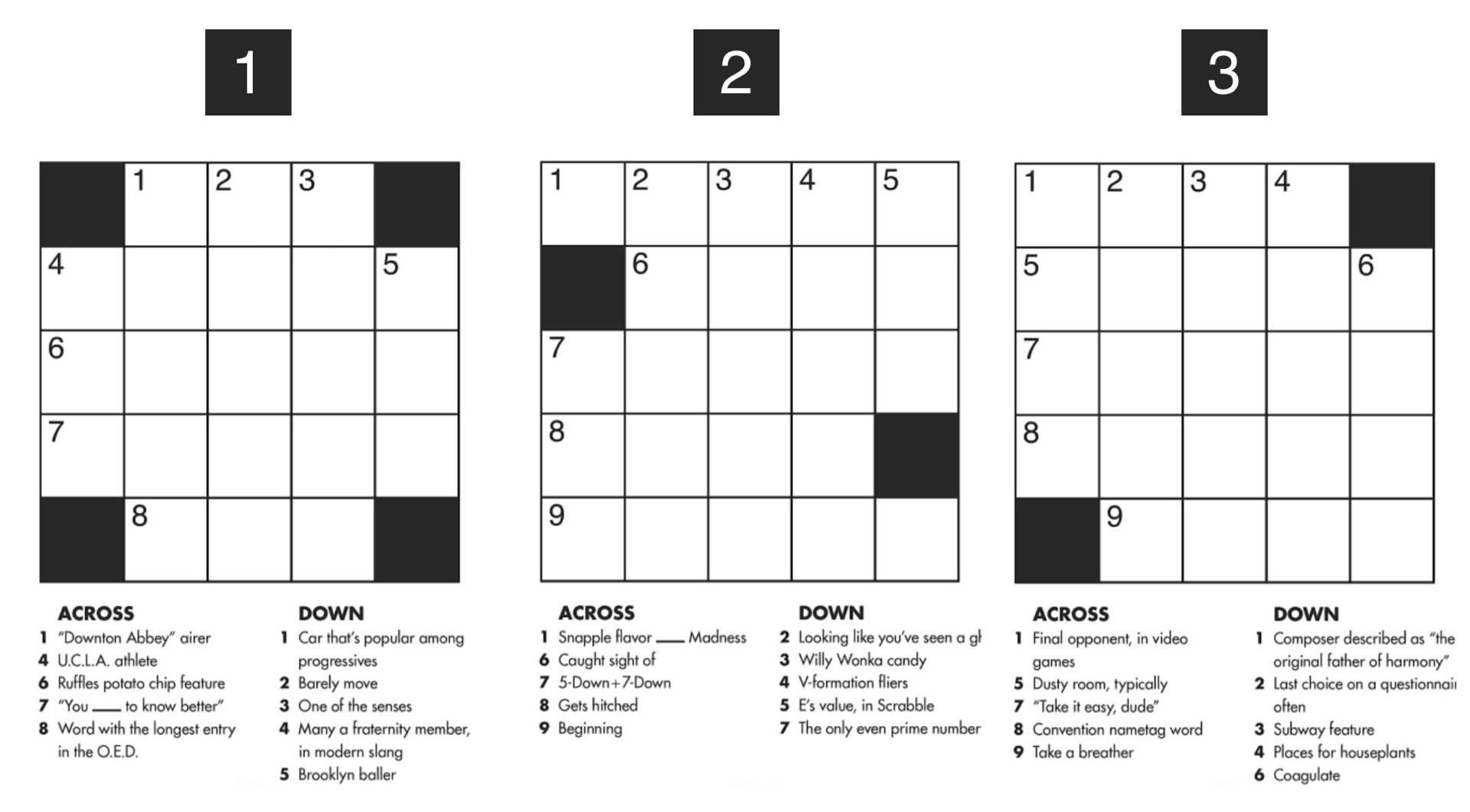
The 5×5 grid is the “Golden Ratio” of the mini crossword world. Within these twenty-five squares lies a delicate balance of linguistic engineering. For the solver, the 5×5 grid offers a sense of total visibility; you can see the entire puzzle at once without scrolling, which allows the brain to process patterns more holistically. It’s a sprint, not a marathon. In a standard puzzle, you might start in the Northwest corner and lose momentum by the time you reach the Southeast. In a mini, the momentum carries you through the entire experience in under sixty seconds if you’re fast.
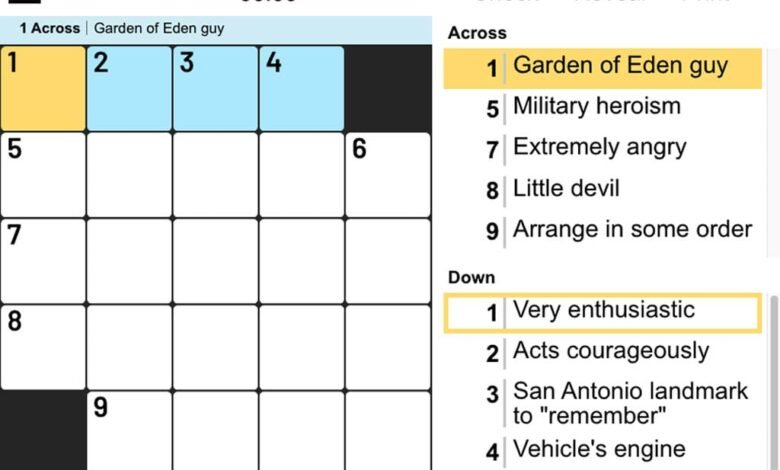
From a technical perspective, the architecture of a mini crossword relies heavily on “interconnectivity.” In a large grid, an error in one corner might not affect the other side of the puzzle. In a 5×5, a single mistake is catastrophic. If you get 1-Across wrong, you have potentially jeopardized 20% of the entire puzzle. This creates a high-tension environment where accuracy is paramount. Experts often look for the “anchor word”—usually the longest or most obvious clue—to build out the rest of the skeleton. It’s a process of rapid-fire deduction that sharpens the mind and prepares it for the day ahead.
Furthermore, the limited space forces creators to be incredibly witty with their cluing. Since they can’t use long, flowery definitions, they rely on puns, double meanings, and “misdirection.” A clue like “It might be pitched” could lead to TENT or SALE or TONE, and in a 5×5 space, the crossing letters must immediately clarify which path you’re on. This density of wordplay is what makes the mini feel “smart” despite its size. It doesn’t insult your intelligence; it respects your time while still challenging your vocabulary and lateral thinking skills.
Why the “Daily Streak” is the New Social Currency
In the digital age, the mini crossword has become less about the puzzle itself and more about the streak. Platforms like the New York Times have turned the humble crossword into a social experience by tracking your completion times and consecutive days solved. This gamification has transformed a solitary activity into a competitive sport. Sharing a screenshot of a “12-second solve” on social media or in a family group chat has become a way to signal cognitive agility. It’s a low-stakes way to flex your mental muscles and stay connected with friends.
This social element is a significant driver of the mini crossword’s 1000+ word-worthy impact. We see “micro-communities” forming around specific daily puzzles, where people discuss a particularly tricky clue or a clever pun. This communal solving experience mimics the old-school watercooler talk but on a global, digital scale. The “streak” acts as a powerful psychological motivator; the fear of breaking a 100-day record is often enough to get someone to open the app even on their busiest days. It has become a ritualistic part of the “digital hygiene” we practice every morning.
Expertly speaking, this ritual is actually beneficial for cognitive health. While a 5×5 grid won’t necessarily turn you into a genius, the consistent habit of word retrieval and pattern recognition helps maintain neuroplasticity. It’s “brain gym” in its most efficient form. The mini crossword provides a sense of closure in an increasingly open-ended and chaotic world. You start a task, you face a challenge, and you complete it—all within the time it takes for your kettle to boil. That cycle of “tension and release” is a powerful antidote to the decision fatigue we face in our professional lives.
The Evolution of Cluing: From Dry to Divine
The transformation of the mini crossword’s “voice” is perhaps its most significant achievement. Traditional crosswords often felt like an SAT prep test, leaning heavily on dictionary definitions and obscure synonyms. The mini, however, speaks the language of the internet. It’s not uncommon to see clues referencing TikTok trends, emoji meanings, or modern dating terminology. This “casually expert” tone makes the puzzle feel alive and reactive to the world around us. It is a living document of our language as it evolves in real-time.
For example, a clue in a mini might be “The ‘G’ in DIY,” leading to GOLD (if it’s a music reference) or GUIDE (in a more traditional sense), or even “What ‘no cap’ means,” leading to TRUTH. This level of cultural fluency is what keeps the format fresh. It bridges the gap between different generations; a younger solver might breeze through the pop culture clues, while an older solver provides the “crosswordese” expertise for the more traditional fill. It’s one of the few digital spaces where “boomers” and “zoomers” can compete on relatively even footing, provided they both keep up with the news.
Moreover, the “expert” construction of these clues often involves a layer of “meta-humor.” Designers know that you know they are trying to trick you. They use this shared understanding to create “aha!” moments that are incredibly satisfying. When you finally realize that “Post-game celebration?” isn’t about sports but about a STAMP (as in, a celebration after using the post), it triggers a literal release of dopamine. The mini crossword proves that you don’t need a massive canvas to create a moment of intellectual joy. It’s about the quality of the wit, not the quantity of the squares.
Digital Accessibility and the Future of Wordplay
The transition from paper to glass has been the greatest catalyst for the mini crossword’s success. On a smartphone, the interface is seamless. Features like “auto-check,” “reveal letter,” and the ability to toggle between across and down clues with a simple tap have made the experience frictionless. For many, the mini is their “gateway drug” into the world of larger crosswords, cryptics, and acrostics. It builds the confidence necessary to tackle a Sunday 21×21 grid, proving that the user is, in fact, “a crossword person.”
Looking forward, the future of the mini crossword lies in personalization and AI-assisted construction. We are already seeing puzzles that can be generated based on a user’s specific interests or reading history. However, the “human touch” remains the gold standard. An AI can find words that fit a grid, but it struggles to write a clue that has a “wink” in it. The best mini crosswords feel like a duel between two human minds—the constructor and the solver—and that human element is why the format will continue to thrive even as technology advances.
In conclusion, the mini crossword is far more than just a smaller version of a classic puzzle. It is a refined, high-speed, and socially integrated form of mental exercise that perfectly fits the tempo of modern life. Whether you are aiming for a sub-thirty-second personal best or just looking for a way to wake up your brain with your morning espresso, the mini offers a perfect slice of linguistic challenge. It reminds us that even in a world of infinite scrolling and endless content, there is still a deep, intrinsic pleasure to be found in finding the right word for the right space.