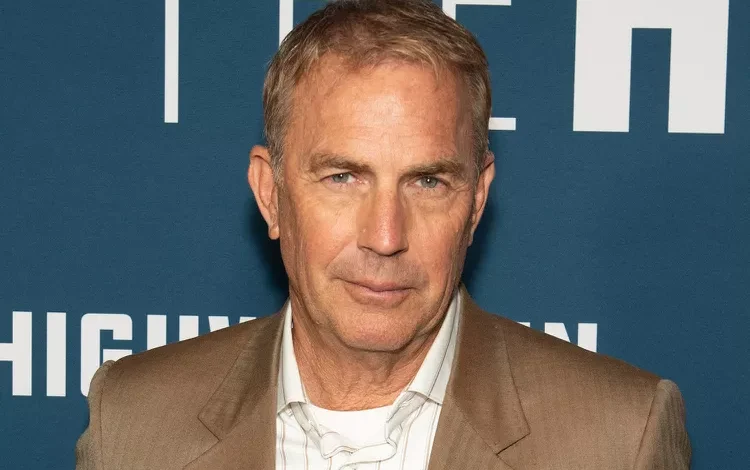
The Architect of the Modern Western
When you think of the American West in cinema, it is impossible not to have Kevin Costner as the central figure in that mental landscape. For over four decades, Costner has not just acted in Westerns; he has curated them, directed them, and lived within them. From the sweeping, Oscar-winning grandeur of Dances with Wolves to the gritty, serialized intensity of Yellowstone, Costner has a unique ability to capture the rugged individualism and the haunting beauty of the frontier. He doesn’t just play a cowboy; he embodies the moral complexities of men tied to the land, standing as a bridge between the Golden Age of Hollywood and the modern era of prestige television.
As of early 2026, Costner’s commitment to this genre has reached a fever pitch with his magnum opus, Horizon: An American Saga. This multi-part cinematic event is perhaps the most ambitious project of his career, a self-funded gamble that proves his unwavering belief in the power of the big-screen epic. While many in the industry were pivoting toward bite-sized content and superhero franchises, Costner doubled down on the 70mm experience. He understands that the Western is the American version of Shakespeare—a setting where themes of honor, family, and expansion can be explored with a scale that only the horizon can provide.
Expertly speaking, Costner’s influence on the Western genre is rooted in his “authenticity first” approach. He insists on practical locations, period-accurate costuming, and a deliberate pace that allows the environment to become a character itself. In Yellowstone, his portrayal of John Dutton revitalized the “Neo-Western,” proving that the struggles of land ownership and legacy are just as relevant in the 21st century as they were in the 19th. He has an innate sense of “gravitas”—a weightiness that makes every line of dialogue feel like it was etched in stone. Whether he is behind the camera or in front of it, Costner remains the undisputed guardian of the American frontier.
Beyond the Frontier: The Everyman Hero of the 80s and 90s
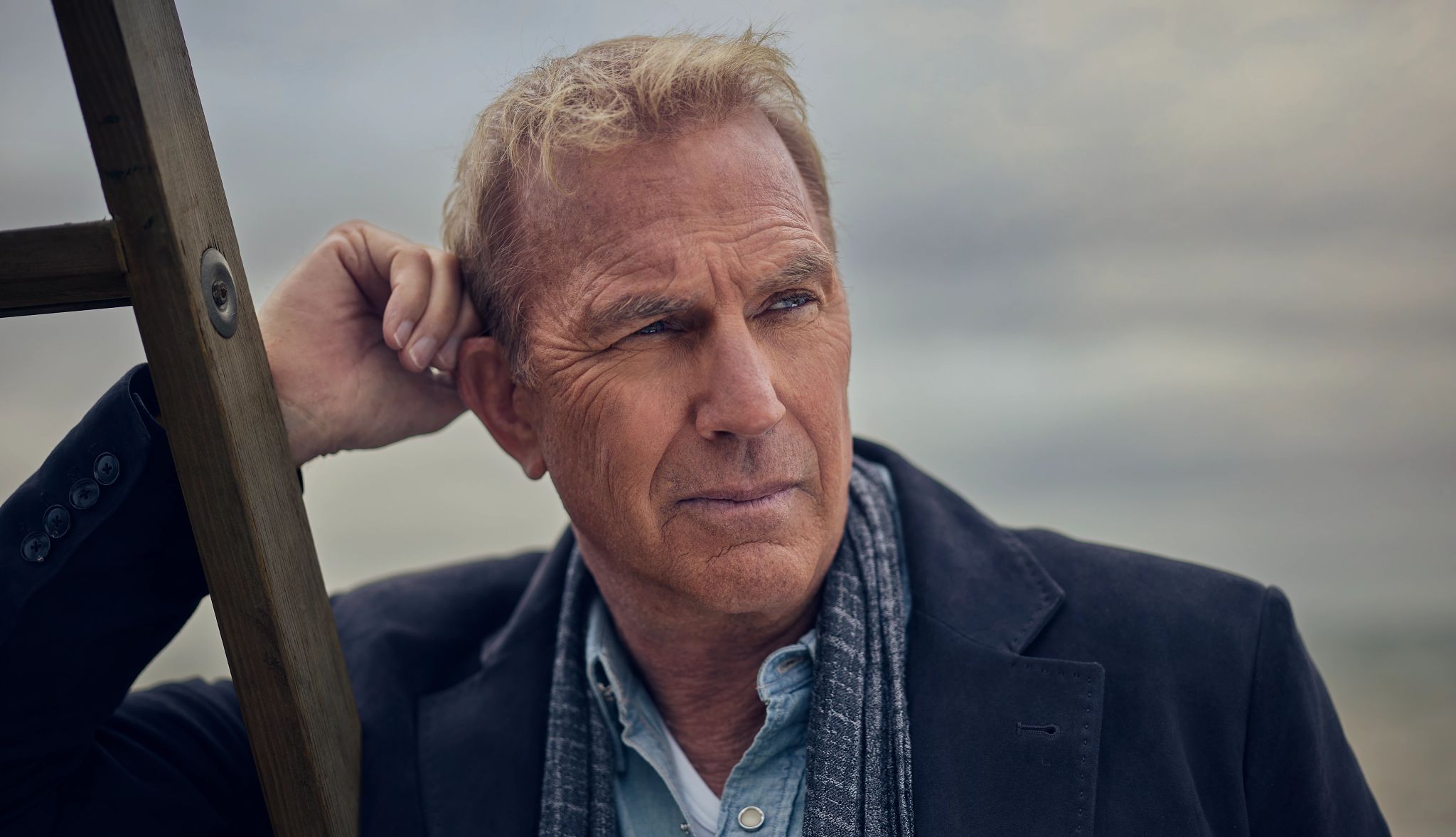
While the Western is his spiritual home, it would be a mistake to pigeonhole Kevin Costner as a one-note actor. In the late 1980s and throughout the 90s, he was the quintessential American Everyman. He had an uncanny ability to portray characters who were grounded, relatable, and yet possessed an extraordinary sense of duty. Think of Ray Kinsella in Field of Dreams—a man chasing a ghost for a chance at redemption. Or Jim Garrison in JFK, navigating the labyrinthine conspiracies of American history. Costner became the face of the “principled underdog,” the guy you wanted on your side when the chips were down.
His “Golden Era” was defined by a string of hits that displayed incredible range. In Bull Durham, he gave us Crash Davis, the world-weary minor league catcher who taught us that “the world is made for people who aren’t cursed with self-awareness.” It remains one of the greatest sports movies ever made because Costner understood the specific blend of cynicism and romanticism that defines the athlete’s life. Then he pivoted to The Bodyguard, a global phenomenon that proved he could command the screen as a traditional romantic lead, holding his own alongside the powerhouse presence of Whitney Houston.
The common thread in all these roles is Costner’s “understated” charisma. He never feels like he’s trying too hard to be the movie star; he simply is. There is a quiet confidence in his performances—a “less is more” philosophy that allows the audience to project their own emotions onto his characters. In a decade of high-octane action stars like Schwarzenegger and Stallone, Costner offered a different kind of strength: a moral fortitude and an intellectual curiosity that made his characters feel like people you might actually meet at a diner or a ballpark. He wasn’t a superhero; he was the best version of an ordinary man.
The Risk-Taker: Independence, Finance, and the Art of the Gamble
One of the most fascinating aspects of Kevin Costner’s career is his willingness to put his own skin in the game. In Hollywood, the conventional wisdom is “never spend your own money,” but Costner has made a habit of breaking that rule to protect his artistic vision. He famously poured his own resources into Dances with Wolves when the studio system doubted a three-hour Western partially spoken in Lakota would find an audience. The result? Seven Academy Awards and a permanent place in film history. He is a rare hybrid in the industry: a true auteur who understands the business of the “Big Risk.”
This streak of independence defines his current chapter in 2026. The production of Horizon: An American Saga involved Costner mortgaging his own property to ensure the film was made exactly the way he envisioned it. This level of dedication is almost unheard of for an actor of his stature. It speaks to a man who is no longer interested in playing the “studio game” of sequels and reboots. He is interested in legacy. By bypassing traditional funding models, he maintains total creative control, ensuring that his stories aren’t diluted by committee-driven notes or focus-group testing.
This “Maverick” status has made him a polarizing but deeply respected figure in the industry. While his exit from Yellowstone was the subject of endless tabloid speculation, the reality is much simpler: Costner is a man who follows his internal compass. He chose to leave a massive television hit to pursue a cinematic dream that had been brewing for thirty years. For Costner, the work is the reward. He is a craftsman who would rather fail on his own terms than succeed on someone else’s. This integrity is why his fan base remains so intensely loyal; they know that when they see his name on a project, they are getting a piece of his soul, not just a contractual obligation.
Environmentalism and the Legacy of a Private Life
Away from the bright lights of Hollywood and the dusty plains of his film sets, Kevin Costner has led a life defined by a deep connection to the natural world. He is a well-known environmentalist, but not in the “performative” way that is common in celebrity circles. After the Exxon Valdez oil spill, Costner spent years and millions of his own dollars developing centrifugal oil-water separators. His company, Ocean Therapy Solutions, eventually sold these machines to BP during the Deepwater Horizon crisis. It was a rare instance of a movie star using their wealth to solve a complex engineering problem, driven by a genuine desire to protect the oceans.
Costner’s private life has also seen its share of headlines, particularly his highly publicized divorce in 2023 and 2024. However, true to his “stoic” persona, he has navigated these personal storms with a level of privacy and dignity that is rare in the social media age. In 2026, he appears more focused than ever on his role as a father and a mentor. He often speaks about the importance of family legacy, a theme that mirrors many of the characters he plays on screen. He lives on a massive ranch in Aspen, Colorado—a place that serves as his sanctuary and a constant reminder of the land he works so hard to portray in his films.
As we look at Kevin Costner’s standing in the cultural zeitgeist of 2026, he feels like one of the last “Great Americans” of cinema. He represents a brand of masculinity that is rooted in competence, quietude, and a respect for history. He hasn’t chased trends; he hasn’t tried to “modernize” his image to fit the digital age. Instead, the world has come back around to him. In an era of deepfakes and AI-generated content, the “realness” of Kevin Costner—the lines on his face, the grit in his voice, and the sincerity in his eyes—has become more valuable than ever. He is a reminder that some things, like a good horse and a clear horizon, never go out of style.